
How to Prevent Basement Flooding in Vancouver Homes
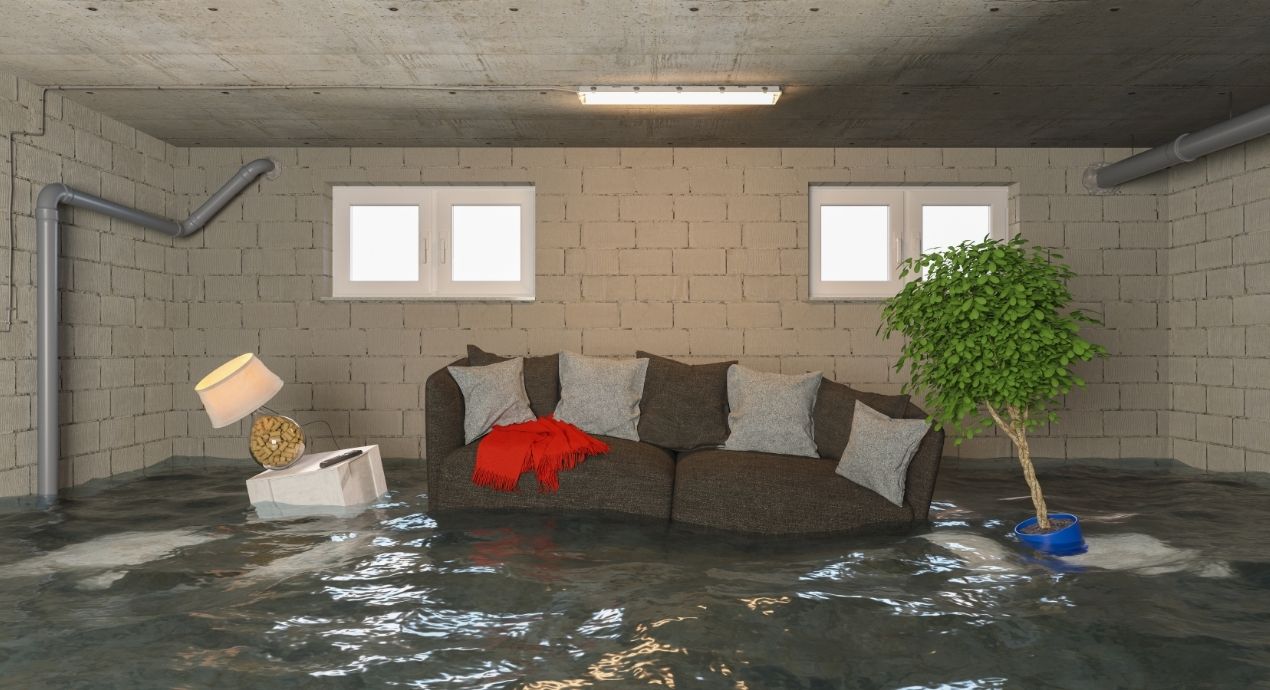
Basement flooding is one of the most common and costly problems homeowners face across the Vancouver area—especially in cities like Burnaby, Coquitlam, Richmond, North Vancouver, and New Westminster.
Heavy rainfall, aging drainage systems, rising groundwater, clogged gutters, and foundation cracks can all contribute to water entering your basement. In Metro Vancouver’s wet climate, even a small drainage issue can quickly turn into major water damage if left untreated.
The good news? Many basement flooding issues can be prevented with proactive maintenance and early action.
In this guide, you’ll learn practical steps to help prevent basement flooding—and when it’s time to call professionals for flood cleanup services in Vancouver.
Why Basement Flooding Is Common in Metro Vancouver
Homes across Vancouver and surrounding cities like Burnaby, Richmond, Coquitlam, and New Westminster are especially vulnerable to basement flooding due to the region’s climate and infrastructure conditions.
Common causes include:
- Heavy rainfall during fall and winter
- Poor yard drainage
- Blocked gutters and downspouts
- Aging sump pumps
- Foundation cracks
- Sewer backups
- Rising groundwater levels
Older homes in areas like North Vancouver and New Westminster may also have outdated drainage systems that increase flood risk.
1. Keep Gutters and Downspouts Clear
Clogged gutters are one of the leading causes of basement flooding.
When rainwater can’t properly flow away from your home, it can overflow and collect around your foundation, eventually finding its way into the basement.
Preventive tips:
- Clean gutters regularly
- Remove leaves and debris
- Check for blockages after storms
- Extend downspouts away from the home
💡 Tip: Downspouts should discharge water at least 6 feet away from your foundation.
2. Improve Yard Grading Around Your Home
Water should always flow away from your home—not toward it.
If your yard slopes toward your foundation, rainwater can pool around the basement walls and seep inside.
Ways to improve drainage:
- Regrade soil around the house
- Add drainage swales if needed
- Avoid landscaping that traps water near the foundation
- Monitor low spots where water collects
This is a common issue in parts of Coquitlam and Burnaby where sloped lots can create drainage challenges.
3. Inspect Foundation Cracks Early
Even small cracks can allow water to enter during heavy rainfall.
Check your basement walls and foundation for:
- Hairline cracks
- Damp spots
- Water stains
- Peeling paint
- Musty odors
Early repair can prevent larger structural problems later.
If moisture has already entered your basement, professional water damage restoration services may be necessary.
4. Test Your Sump Pump Regularly
A sump pump is one of the best defenses against basement flooding—but only if it works properly.
Maintenance checklist:
- Test it every few months
- Clean the sump pit
- Check the discharge pipe
- Install a battery backup system
- Listen for unusual noises
⚠️ Many homeowners only discover a failed sump pump during a storm—when it’s already too late.
5. Install a Backwater Valve
Sewer backups can cause severe basement flooding and contamination.
A backwater valve helps prevent sewage from flowing back into your home during heavy rain or municipal sewer overload.
This is especially important in some older neighborhoods in Vancouver and New Westminster where aging sewer systems may increase risk.
If sewage backup occurs, professional sewage cleanup services is critical due to contamination hazards.
6. Seal Basement Windows and Entry Points
Basement windows and exterior openings can become entry points for water.
Inspect for:
- Damaged window wells
- Broken seals
- Cracked caulking
- Poor drainage around window wells
Installing proper covers and sealing gaps can reduce flood risk significantly.
7. Watch for Early Signs of Water Problems
Basement flooding often gives warning signs before major damage happens.
Common warning signs include:
- Damp basement smell
- Visible moisture on walls
- Water stains
- Efflorescence (white powder on walls)
- Soft drywall
- Minor puddling after rain
If you notice these signs, it’s best to act quickly before the issue worsens.
You can also read our guide: What to Do Immediately After Water Damage in Vancouver (Step-by-Step Guide)
When to Call a Professional for Basement Flooding
Preventive maintenance helps—but sometimes professional intervention is necessary.
Call a restoration company if:
- Water has already entered the basement
- Flooding is widespread
- You suspect hidden moisture
- Mold growth may be developing
- Sewage contamination is involved
- Structural materials are wet
Fast professional structural drying services can help prevent long-term damage and mold issues.
Why Choose Evercrest Restoration in Vancouver?
- 24/7 emergency flood response
- Experienced local restoration technicians
- Advanced water extraction and drying equipment
- Fast response across Vancouver, Burnaby, Coquitlam, Richmond, North Vancouver, and New Westminster
- Insurance claim support
👉 Quick action can prevent expensive repairs and protect your home.
Frequently Asked Questions (FAQ)
What causes basement flooding in Vancouver?
Heavy rainfall, clogged gutters, poor drainage, sewer backups, foundation cracks, and groundwater pressure are some of the most common causes.
Is basement flooding common in Burnaby and Coquitlam?
Yes. Homes in Burnaby, Coquitlam, and other Metro Vancouver cities can experience basement flooding due to heavy rain, drainage issues, and aging infrastructure.
Can I prevent basement flooding completely?
While no home is 100% risk-free, proper maintenance and drainage improvements can significantly reduce the chance of flooding.
Does homeowners' insurance cover basement flooding?
Coverage depends on your policy and the cause of flooding. Sewer backup and overland water often require separate coverage.
What should I do if my basement floods?
Safety comes first. Stop the water source if possible and call professionals immediately for emergency flood cleanup services.
Final Thoughts
Basement flooding can happen quickly in Vancouver’s wet climate—but many problems can be prevented with regular maintenance, drainage improvements, and early detection.
Protecting your home now can save you thousands in repair costs later.
📞 Need Emergency Basement Flood Cleanup in Vancouver?
Evercrest Restoration provides fast, professional help across Metro Vancouver when water damage strikes.