Water Damage vs. Mold Damage: What Vancouver Homeowners Should Know
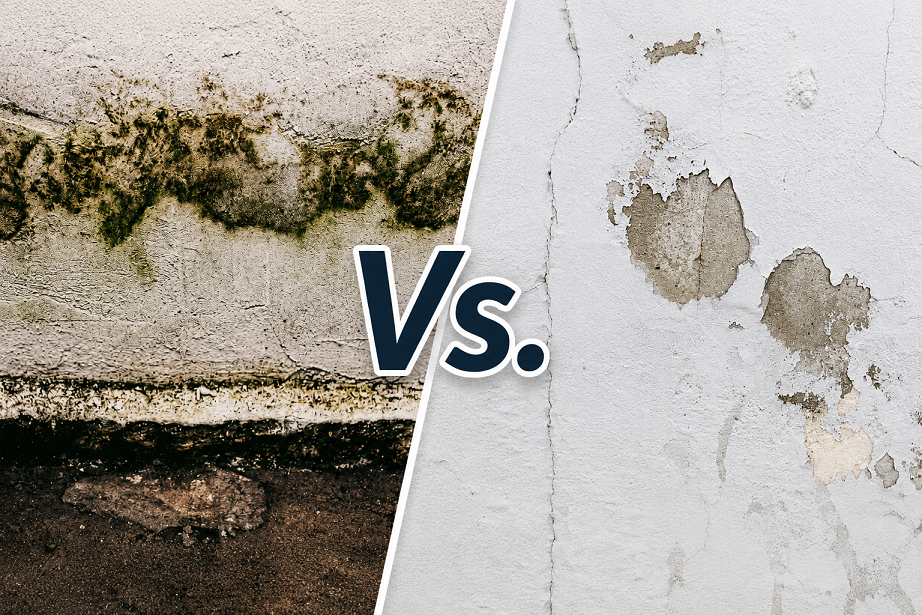
Many homeowners assume that water damage and mold damage are the same problem—but they are actually two different issues that often occur together. While water damage affects the structure of your home, mold damage develops when excess moisture is left untreated. Understanding the difference can help you respond more quickly and avoid costly repairs.
In Vancouver's rainy climate, homes are especially vulnerable to moisture-related problems. Areas such as Burnaby, Coquitlam, Richmond, North Vancouver, and New Westminster regularly experience heavy rainfall that increases the risk of water intrusion and mold growth.
In this guide, we'll explain the differences between water damage and mold damage, how to identify each problem, and when it's time to call restoration professionals.
Understanding Water Damage
Water damage occurs whenever unwanted water enters your home and begins affecting building materials such as drywall, flooring, insulation, wood framing, or ceilings. Common causes include burst pipes, leaking appliances, roof leaks, overflowing sinks, sewer backups, and heavy rainfall.
If not addressed immediately, water can spread far beyond the original source, weakening structural materials and creating ideal conditions for mold growth.
Professional Water Damage Restoration helps remove excess water, dry affected materials, and prevent further deterioration.
Understanding Mold Damage
Mold damage occurs when moisture remains trapped in building materials long enough for mold spores to grow. Mold feeds on organic materials like drywall, wood, insulation, and carpet backing, allowing it to spread quickly throughout affected areas.
Unlike water damage, mold can continue growing even after visible water has disappeared if moisture remains hidden inside walls or beneath flooring.
Professional Mould Removal Services safely remove contamination while addressing the underlying moisture source.
How Water Damage Leads to Mold Growth
Water damage and mold damage are closely connected. Mold can begin developing within 24 to 48 hours after materials become wet if they are not properly dried.
Hidden moisture behind drywall, under flooring, and inside insulation often creates the perfect environment for mold to grow unnoticed.
If you're unsure whether moisture is hiding inside your home, read our guide on Signs of Hidden Water Damage in Your Home.
Warning Signs of Water Damage
Water damage often appears before mold becomes visible. Early identification can reduce repair costs and minimize structural damage.
- Water stains on ceilings or walls
- Warped or buckled flooring
- Soft drywall
- Peeling paint
- Damp insulation
- Standing water
- Unexpected increases in water bills
Warning Signs of Mold Damage
Mold damage usually develops after prolonged moisture exposure. While some mold is visible, much of it can remain hidden behind walls or under flooring.
- Persistent musty odors
- Black, green, or white spots
- Recurring mold after cleaning
- Allergy symptoms indoors
- Visible mold around windows or baseboards
- Discoloration on walls or ceilings
Which Problem Is More Dangerous?
Neither problem should be ignored because they affect your home in different ways.
Water damage primarily threatens the structural integrity of your property. Mold damage, on the other hand, can affect both your home and indoor air quality. Left untreated, water damage often becomes mold damage, making restoration more complicated and expensive.
What Should You Do First?
If you discover water damage, taking immediate action can significantly reduce long-term damage.
- Stop the source of water if possible.
- Turn off electricity if the area is unsafe.
- Document the damage for insurance purposes.
- Begin drying affected areas.
- Avoid disturbing visible mold.
- Contact restoration professionals as soon as possible.
For immediate response steps, read our guide What to Do Immediately After Water Damage in Vancouver.
Professional Inspection Makes the Difference
Hidden moisture isn't always visible. Restoration professionals use specialized equipment to locate moisture before additional damage occurs.
- Thermal imaging cameras
- Moisture meters
- Humidity testing
- Structural inspections
- Professional drying equipment
Learn more about our Structural Drying Services and Water Damage Restoration Services.
Why Choose Evercrest Restoration?
Evercrest Restoration provides professional water damage restoration, structural drying, and mould remediation services throughout Vancouver, Burnaby, Coquitlam, Richmond, North Vancouver, and New Westminster.
- 24/7 Emergency Response
- Certified Restoration Professionals
- Advanced Drying Equipment
- Moisture Detection Technology
- Insurance Claim Assistance
- Fast Response Throughout Metro Vancouver
Frequently Asked Questions
Can water damage exist without mold?
Yes. If water is removed and affected materials are dried quickly, mold may never develop.
How quickly can mold grow after water damage?
Mold can begin growing within 24 to 48 hours when moisture remains untreated.
Is mold always visible?
No. Mold often grows behind drywall, beneath flooring, inside insulation, or above ceilings where it cannot be seen.
Should I remove mold myself?
Small surface mold may be cleaned safely, but widespread or hidden mold should be handled by professionals to prevent contamination from spreading.
Does insurance cover mold damage?
Coverage depends on your insurance policy and the cause of the damage. Contact your insurance provider for details.
Final Thoughts
Water damage and mold damage are closely connected, but they require different restoration approaches. Acting quickly after water intrusion can prevent mold growth, reduce repair costs, and protect your home's structural integrity.
To learn how to reduce your risk of future flooding, read our guide on How to Prevent Basement Flooding in Vancouver Homes.
If you suspect hidden moisture in your home, our article on Signs of Hidden Water Damage in Your Home can help you identify early warning signs.
Need professional help?
Contact Evercrest Restoration today for expert water damage restoration, structural drying, and mould remediation services throughout Metro Vancouver.