
Burst Pipe in Vancouver: What to Do and How to Prevent Water Damage
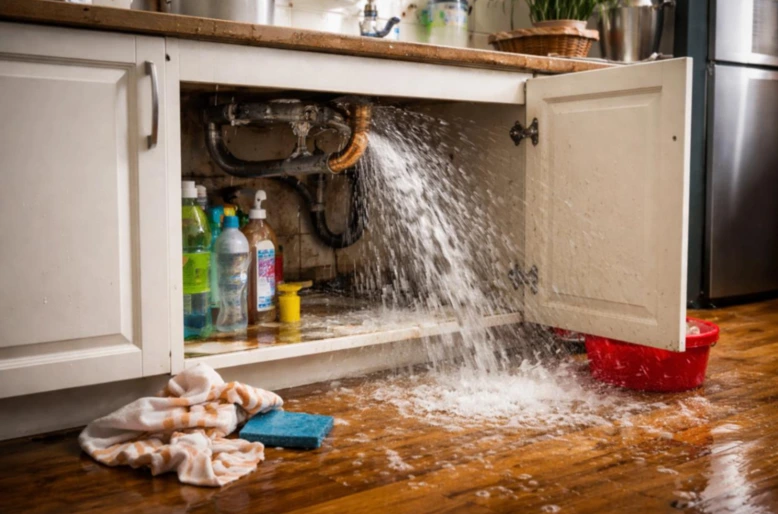
A burst pipe can release a surprising amount of water into your home in a short time. What starts as a small leak behind a wall, beneath a sink, or in a cold basement can quickly damage flooring, drywall, insulation, and personal belongings. For homeowners in Vancouver and across Metro Vancouver, knowing what to do when a pipe bursts can help limit the damage and make the restoration process easier.
This guide explains common causes of burst pipes, the warning signs to watch for, the immediate steps to take during a plumbing emergency, and practical ways to reduce the risk of frozen or burst pipes during colder weather.
What Causes Pipes to Burst?
Pipes can burst for several reasons. Freezing temperatures are one possible cause, but aging plumbing, corrosion, excessive water pressure, and physical damage can also lead to a sudden leak or pipe failure.
- Freezing temperatures: Water inside a pipe can freeze and expand, creating pressure that may damage the pipe. Pipes in unheated areas or near exterior walls can be particularly vulnerable.
- Aging or corroded plumbing: Older pipes can weaken over time, increasing the risk of leaks and breaks.
- High water pressure: Excessive pressure can put stress on plumbing connections and pipes.
- Loose or damaged connections: Fittings, joints, and supply lines may fail because of wear or physical damage.
- Unexpected impact or renovation work: Accidental damage during construction, drilling, or other home projects can cause a pipe to leak or rupture.
Even when a pipe does not completely rupture, a small crack or failed connection can release enough water to damage surrounding building materials. Regularly checking exposed plumbing and addressing small leaks promptly can help reduce the risk.
Warning Signs of a Burst or Leaking Pipe
Some plumbing failures are obvious, such as water spraying from a broken pipe. Others develop out of sight and may go unnoticed until damage becomes visible.
Watch for these warning signs:
- Sudden water pooling on floors or around plumbing fixtures.
- Wet spots, bubbling paint, or discoloured patches on walls and ceilings.
- A sudden drop in water pressure or an unexpected change in water flow.
- Unexplained increases in water usage.
- Damp or musty smells in rooms, closets, basements, or cabinets.
- Water stains or swelling around baseboards, flooring, and door frames.
- Frost or visible ice on accessible pipes during cold weather.
If you suspect a hidden leak, avoid assuming that the visible wet area shows the full extent of the damage. Water can travel behind walls, under flooring, and into insulation before it becomes noticeable. Read our guide to signs of hidden water damage in your home to learn more about what to look for.
What to Do Immediately When a Pipe Bursts
Taking the right steps quickly can help limit water damage and protect your household. Your safety comes first, so do not enter an area where standing water may be in contact with electrical equipment or outlets.
1. Shut Off the Water Supply
If it is safe to do so, turn off the main water shut-off valve to stop additional water from entering the damaged pipe. If you know which fixture or branch line is affected and can safely isolate it, that may also help. If you cannot locate the valve or the water will not stop, contact a plumber or your building manager for assistance.
2. Stay Away From Electrical Hazards
Water and electricity are a dangerous combination. Do not touch electrical outlets, appliances, switches, or equipment in a wet area. If water is near electrical components, keep people away and contact a qualified electrician or emergency services as appropriate. Do not enter standing water to reach an electrical panel.
3. Contact a Plumber to Repair the Pipe
A plumber can identify the source of the failure and repair or replace the damaged section. Stopping the leak is essential, but plumbing repair alone may not address water that has already entered walls, ceilings, flooring, or other building materials.
4. Document the Damage
If it is safe, take photographs and videos of the affected rooms, damaged materials, and belongings before cleanup. Keep records of relevant expenses and contact your home insurer as soon as practical to ask about your coverage, documentation requirements, and next steps.
5. Remove Standing Water When It Is Safe
If the water is safe to approach and there are no electrical or structural hazards, you may be able to move unaffected belongings out of the area and remove small amounts of water. Avoid using household vacuums or electrical equipment in wet areas unless they are specifically designed for that use and the setup is safe.
Do not disturb water that may be contaminated by sewage or other hazardous materials. In those situations, keep people away and arrange appropriate professional cleanup.
6. Arrange Professional Water Damage Assessment
Water can spread beyond the area where the pipe broke. A restoration assessment can help identify affected materials, determine whether moisture has reached concealed spaces, and establish what drying and cleanup are needed.
Learn more about the recommended first steps in our guide, what to do immediately after water damage in Vancouver.
How Much Water Damage Can a Burst Pipe Cause?
The amount of damage depends on how much water escapes, how long the leak continues, where the pipe is located, and how quickly the water is stopped and removed. A leak in an upper-floor bathroom, for example, may affect the ceiling below, wall cavities, insulation, and flooring across multiple rooms.
Common types of damage include:
- Drywall and ceilings: Wet drywall can soften, stain, swell, or lose its structural integrity.
- Flooring and subfloors: Water may cause wood to swell, laminate to lift, and some flooring materials to separate from the subfloor.
- Insulation and wall cavities: Hidden materials can retain moisture even after the visible water has been removed.
- Cabinets and trim: Wood products and composite materials may swell, warp, or deteriorate.
- Mould growth: Persistent moisture can create conditions that support mould growth, particularly when affected materials are not dried appropriately.
Visible water is only part of the picture. Moisture measurements and a careful assessment can help determine whether water has spread into concealed materials. For more information, see our guide to water damage vs. mould damage.
How Long Does Burst Pipe Water Damage Restoration Take?
The restoration timeline depends on the amount of water, the materials affected, the temperature and humidity, and whether moisture has reached enclosed spaces. A limited leak affecting a small area may be resolved more quickly than a major pipe break that saturates several rooms or multiple floors.
The process commonly includes several stages:
- Inspection and assessment: The affected areas are inspected and moisture levels are assessed.
- Water removal: Standing water is extracted where necessary.
- Structural drying: Appropriate drying equipment is used to help remove moisture from affected building materials.
- Cleaning and material evaluation: Affected surfaces and belongings are assessed, and materials that cannot be adequately restored may need to be removed.
- Repairs and rebuilding: Once the affected areas are ready, necessary repairs can be completed.
Drying and reconstruction are different stages. Even after the water has been removed, materials may need additional time and monitoring before repairs can begin. The timeline should be based on the actual conditions rather than a fixed estimate.
For a more detailed explanation, read how long water damage restoration takes in Vancouver. You can also learn about our structural drying services.
How to Prevent Frozen and Burst Pipes in Winter
Vancouver winters can bring periods of freezing weather. Although not every burst pipe is caused by freezing, preparing vulnerable plumbing before temperatures drop can help reduce the risk.
Insulate Exposed Pipes
Check accessible pipes in garages, crawl spaces, basements, and other unheated areas. Suitable pipe insulation can help reduce exposure to cold temperatures. Pay attention to plumbing near exterior walls and other areas that may be difficult to keep warm.
Keep Indoor Temperatures Consistent
During cold weather, maintain adequate heat throughout the home, including when you are away. If you plan to be away for an extended period, arrange for someone to check the property and consider asking a plumber about additional precautions for your plumbing system.
Seal Cold Air Leaks
Inspect areas around windows, doors, exterior wall penetrations, and utility openings where cold air may reach plumbing. Sealing appropriate gaps can help reduce cold drafts near vulnerable pipes.
Protect Pipes in Cabinets and Enclosed Areas
If pipes run through cabinets against exterior walls, opening cabinet doors during severe cold may help warm indoor air reach the plumbing. Only do this where it is safe and practical, and take care if young children or pets are present.
Know Where Your Main Shut-Off Valve Is
Make sure household members know where the main water shut-off valve is and how to operate it. Being able to stop the water promptly can reduce the amount released if a pipe fails.
Address Small Leaks Early
Do not ignore dripping connections, corrosion, unexplained moisture, or changes in water pressure. Arrange a plumbing inspection when something appears wrong. A small leak may be an early warning of a larger plumbing problem.
When to Call a Water Damage Restoration Company
Professional restoration may be helpful when water has spread beyond a small, easily managed area, entered walls or ceilings, soaked flooring or insulation, or affected multiple rooms. It is also worth arranging an assessment when the extent of the moisture is unclear or drying the affected materials properly would be difficult with household equipment.
A restoration team can assess the affected areas, remove standing water where required, set up suitable drying equipment, and monitor moisture levels as the work progresses. The appropriate scope of work depends on the type and extent of the damage.
Evercrest Restoration provides water damage restoration support for residential properties in Vancouver and surrounding Metro Vancouver communities. Explore our water damage restoration services in Vancouver to learn more about the assessment, water removal, and drying process.
If the affected area has remained damp or you notice signs that may indicate mould, the next steps will depend on the materials involved and the extent of the moisture. Learn more about our mould removal services.
Burst Pipe Restoration in Vancouver and Surrounding Areas
A burst pipe can affect homes in Vancouver, Burnaby, Coquitlam, North Vancouver, Richmond, and New Westminster. Regardless of where the leak occurs, the priorities are to stop the water safely, arrange plumbing repairs, document the damage, and determine whether building materials need professional drying.
Every property is different. The best restoration approach depends on the source of the water, how far it travelled, which materials were affected, and whether moisture remains in concealed areas.
If your property has experienced a burst pipe or water leak, contact Evercrest Restoration to discuss the situation and the next steps for assessing the water damage.
Frequently Asked Questions
What should I do first if a pipe bursts in my home?
If it is safe, shut off the main water supply and keep people away from electrical hazards. Contact a plumber to repair the pipe, document the damage, and arrange an assessment if water has entered building materials or spread beyond a small area.
Can a burst pipe cause mould?
Yes. If water leaves building materials damp for too long, conditions may develop that support mould growth. Prompt water removal, appropriate drying, and assessment of affected materials can help reduce the risk.
Should I turn off the electricity after a pipe bursts?
Do not touch switches, outlets, appliances, or an electrical panel in a wet area. If water is near electrical components, keep away and contact a qualified electrician or emergency services as appropriate. Only operate a breaker or shut-off from a location confirmed to be dry and safe.
Will my home insurance cover burst pipe water damage?
Coverage depends on the policy, the circumstances of the loss, and any applicable exclusions or conditions. Contact your insurer promptly, document the damage, and ask what steps are required before discarding damaged materials or authorizing repairs.
How can I tell whether water has entered the walls?
Warning signs include discolouration, bubbling paint, soft drywall, swollen baseboards, musty odours, or unexplained dampness. However, concealed moisture may not be visible. A professional assessment and moisture measurements can help determine whether hidden areas are affected.
How long does it take to dry a home after a burst pipe?
There is no single timeline for every property. Drying time depends on the volume of water, the materials affected, the extent of moisture spread, and environmental conditions. Moisture monitoring helps determine when affected areas are sufficiently dry for the next stage of work.
Final Thoughts
A burst pipe can cause extensive water damage if the leak is not controlled quickly. Knowing how to shut off the water safely, recognize electrical hazards, document the damage, and arrange the right repairs can help you respond more effectively.
Preventive steps such as insulating exposed pipes, maintaining indoor heat during cold weather, sealing drafts, and addressing plumbing issues early can also reduce the risk. If a burst pipe has affected your home, do not assume that removing visible water is enough. Hidden moisture may require assessment and proper structural drying.
For help with water damage assessment and restoration in Vancouver and surrounding communities, visit Evercrest Restoration's water damage restoration page or contact the team.